

Inside a Mahjong Set: Tradition Meets Strategy
There’s an undeniable charm in the ritual of setting up a mahjong game: the satisfying click as tiles slide from their racks, the tangible weight of each piece, and the deliberate roll of dice that decides the dealer. For many, mahjong transcends mere pastime—it’s a vibrant tradition woven with social connection and nuanced strategy. Taking a moment to truly appreciate what’s inside a mahjong set can transform your approach to the game, whether you are a curious beginner or a seasoned player.
Let’s explore the details that make up a mahjong set, elements that enrich the experience well beyond the tiles themselves.
What Is a Mahjong Set?
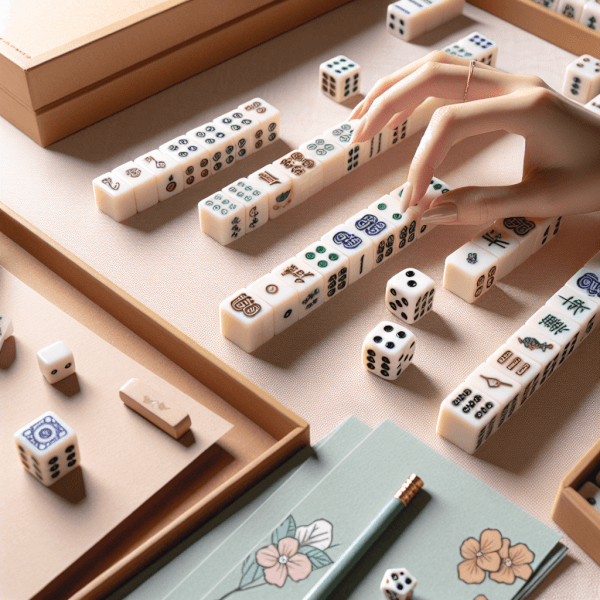
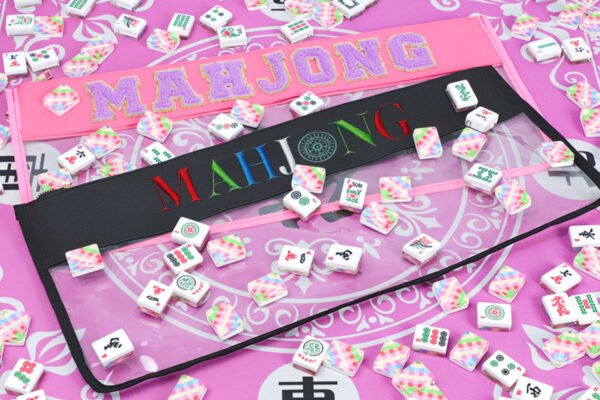
At its core, a mahjong set is a thoughtfully curated collection of tiles and accessories crafted to deliver a smooth and elegant gameplay experience. Sets vary in style, size, and regional characteristics, reflecting the rich diversity of the game. Typically, they include classic numbered tiles, honors, bonus tiles, along with extras like racks, dice, and occasionally a carrying case.
Choosing the right set is more than just aesthetics—the design and components should align with how you intend to play, whether that’s casual evenings or competitive tournaments.
Inside the Box: Mahjong Tiles and Their Stories
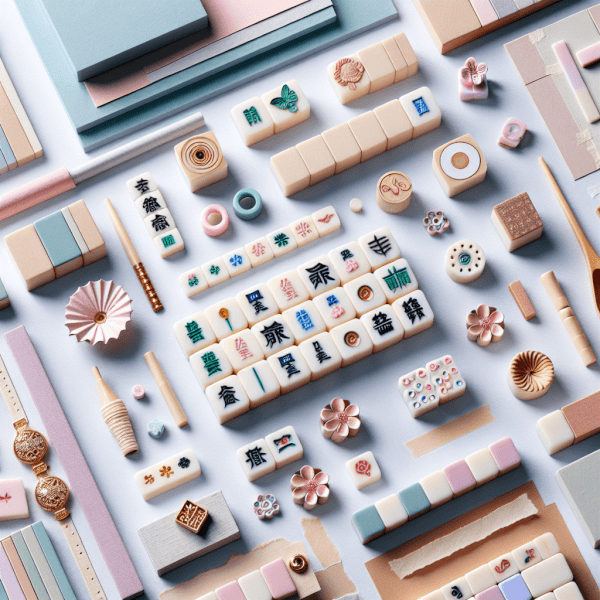
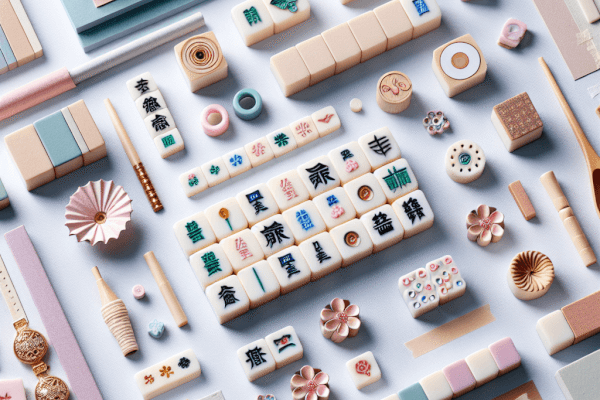
Mahjong tiles, roughly the size of a matchbox, are the heart of the set—crafted with personality and durability. Modern sets often feature plastic or resin tiles for longevity and ease of handling, while premium sets may revive traditional materials like bone or bamboo, bringing a handcrafted elegance.
Tiles fall into three main categories:
- Suited Tiles (108 pieces): These dominate the set, split into three suits numbered 1 to 9 with four copies each. Bamboo (Bams) feature stylized green shoots, the special “1 Bamboo” with its little bird adds charm. Circles (Dots) present colorful, classic dots, while Characters (Cracks) display traditional Chinese numbers anchoring the set in cultural heritage.
- Honor Tiles (28 pieces): These add strategic depth: Winds (East, South, West, North) and Dragons (Red, Green, White), with the white dragon sometimes minimalistic or blank.
- Bonus Tiles (variable): Flowers and Seasons typically count eight tiles that bring imagery and bonus points, while jokers—mostly in American Mahjong—serve as wildcards that heighten excitement.
Accessories That Enhance Play
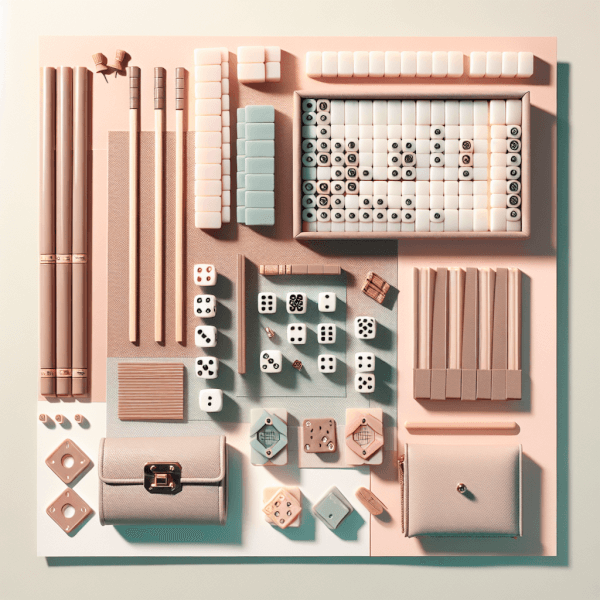
Beyond tiles, well-designed accessories elevate the game flow:
- Racks: Keep tiles organized and provide each player their own neat space.
- Dice: Typically two or three dice introduce chance and help decide dealing order.
- Wind Indicator: Marks the prevailing wind, clarifying gameplay nuances.
- Chips or Counters: For scoring or betting, adding tactile involvement.
- Pushers: Small tools that help organize tiles around the rack.
- Carrying Case: Protects and transports the set for on-the-go play.
- Rule Book: Guides newcomers and supports varied regional rules.

Regional Variations and Their Impact
| Variant | Tile Count | Notable Features |
|---|---|---|
| Chinese Mahjong | 144 tiles | Includes flowers and seasons; no jokers |
| American Mahjong | 152 tiles + 8 jokers | Larger tile pool with jokers; complex rule sets |
| Southeast Asian | 144+ tiles | Often includes local bonus tiles and artistic designs |
| Luxury/Custom | Varies | Materials like bone, hand-carved artistry, bespoke designs |
Choosing Your Ideal Mahjong Set
If you’re new, a classic Chinese set with clear, durable plastic tiles and a simple carrying case offers a balanced start—melding tradition with practicality.
For enthusiasts seeking depth, sets crafted from resin or bone provide satisfying heft and character. American Mahjong sets, with their jokers and extended tile count, offer a distinct strategic rhythm.
Collectors and design lovers may gravitate toward limited-edition or artisanal sets where each tile doubles as a conversation-worthy piece.
Craftsmanship Bridging Generations
Mahjong’s lasting appeal is rooted in a blend of design care and cultural storytelling. Historically, tiles were hand-carved from bone or ivory, each symbol patiently etched. Today’s makers blend modern production with reverence for tradition to preserve the essential tactile elements—the texture, weight, and that iconic click—that elevate playing from simple pastime to cherished ritual.
What’s Typically Inside?
Most sets include about 144 tiles (in Chinese sets), with suits from 1 to 9 multiplied in fours, honor tiles representing winds and dragons, and bonus tiles that vary by style. Accessories like racks, dice, and wind indicators complete the set, with material quality ranging from economical plastic to crafted bone.
Final Thoughts
Mahjong is a nuanced blend of tradition, social bonding, and strategy. The mahjong set you choose becomes your partner in this journey. Whether gifting a beginner or enhancing your collection, understanding what’s inside a set enriches your game nights.
For a subtle upgrade that enhances both functionality and beauty, select a mahjong set that honors craftsmanship as much as playability—where form and function harmonize beautifully.
Further Resources
- MastersofGames Mahjong Rules: A clear introduction to gameplay and tile functions.
- The Mahjong Project: Deep dive into components and setups.
- The Mahjong Line: Elegant selection of custom and luxury sets for discerning players.
Here’s to your next mahjong game—may it be as engaging and thoughtful as the tiles in your hands. 🀄


Leave a Reply