

Mastering Winter Moisturizing for Radiant Skin
There’s something about the change in seasons that makes us notice our skin a little more intimately. That crisp cold air nipping at your cheeks, the unexpectedly tight feeling when you smile, or the little patch of dryness you hadn’t realized was there until you glance in the mirror. Winter’s arrival quietly ushers in a fresh set of skincare needs — and the best winter moisturizers do more than just soothe; they protect, nourish, and help skin bounce back with a healthy, natural glow.
Why Is Skin Especially Thirsty in Winter?
It’s easy to overlook how much the elements work against our skin during the colder months. The outdoor air turns decisively drier, thanks to plummeting humidity, while indoor heating systems, though comforting, often strip moisture from the air inside. At the same time, brisk winds and the temptation of hot showers chip away at the skin’s natural oils — those subtle protectors that keep the surface supple and calm. When those oils diminish, the moisture your skin depends on has a harder time sticking around. The result? Dryness, irritation, and sometimes even the surprise of a sudden eczema flare-up.
The Subtle Alchemy of Winter Moisturizing
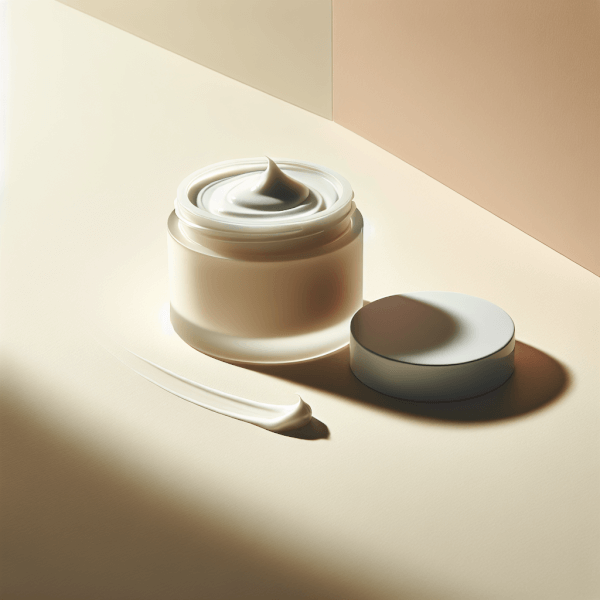
Smart winter moisturizing isn’t a matter of piling on cream indiscriminately. It’s a thoughtful layering process combining hydration, nourishment, and protection. Here are the three players that help your skin stay balanced and resilient:
- Humectants: These are the moisture magnets—ingredients like hyaluronic acid and glycerin that gently pull water into the top layers of the skin. They’re the quiet hydration heroes, especially effective when applied on slightly damp skin after cleansing.
- Emollients: Think of these as the skin’s softeners. Ceramides, squalane, shea butter, and peptides fill in the gaps between skin cells, smoothing rough edges and restoring that velvety feel.
- Occlusives: The sealants, like petrolatum or rich balms, that lock everything in place, preventing precious moisture from escaping into the dry winter air.
Together, these ingredients create a snug environment that keeps skin comfortable, nourished, and glowing, even when temperatures drop.
Building Your Ideal Winter Skincare Routine
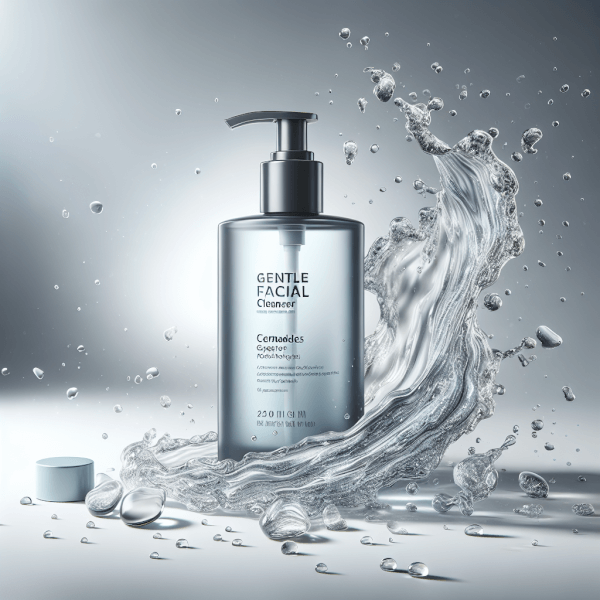
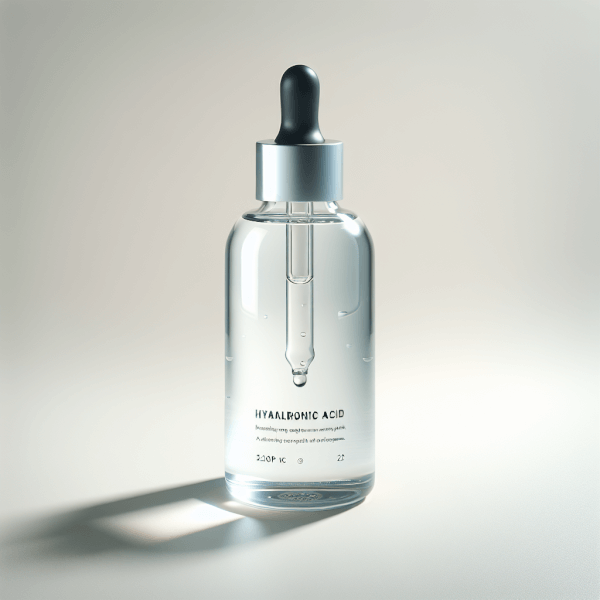
Elevating your winter skincare routine is as much about timing and technique as the products themselves. Start with a gentle cleanser enriched with ceramides or glycerin to wash without disrupting the skin’s natural barrier. Then, while your skin is still slightly damp, apply a hyaluronic acid serum to attract and hold moisture.
Follow this with a moisturizer designed for winter’s challenges. Lightweight gel-creams offer daytime hydration without heaviness, while richer creams or ointments work wonders overnight or on especially dry areas like elbows and cuticles.
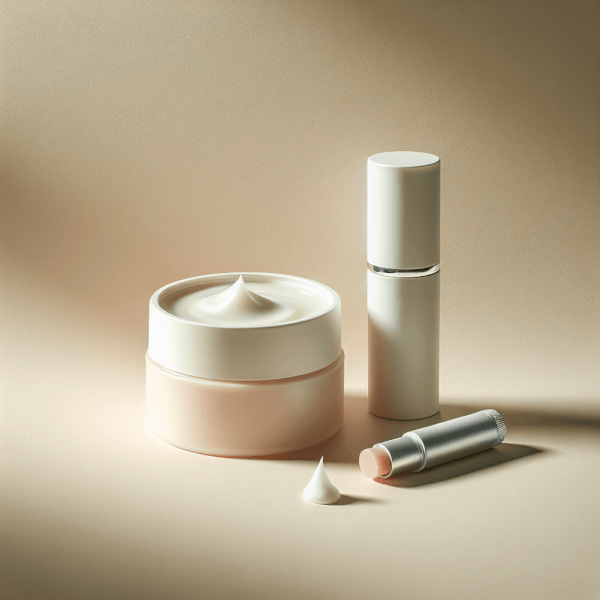
Don’t overlook hands and lips—they deserve their own protective rituals with nourishing balms and creams always within easy reach. And remember, even in winter, sunscreen is essential; UV rays are present year-round.
Simple Habits for Healthy Winter Skin
- Lower your shower water temperature to lukewarm to protect natural oils.
- Apply moisturizer immediately after towel-drying, while skin is still damp.
- Use a humidifier indoors to maintain moisture in the air.
- Stay hydrated by drinking plenty of water.
- Shield your skin from harsh winds with scarves and gloves.
Key Winter Skincare Ingredients in 2026
- Hyaluronic Acid: A versatile, gentle hydrator.
- Ceramides: Strengthen the skin’s natural barrier.
- Glycerin: Locks in moisture for plump skin.
- Shea Butter: Rich emollient for intense nourishment.
- Squalane: Balances without heaviness.
- Niacinamide: Calms inflammation and smooths skin texture.
- Peptides: Support natural skin repair and resilience.
Recommended Products
Ceramide-rich ointments like CeraVe Healing Ointment and Avène Cicalfate+ are favored for gentle, effective barrier repair. Layering a lightweight hyaluronic acid serum beneath a peptide-enriched gel-cream provides elegant hydration without feeling heavy. Fragrance-free and non-comedogenic options are perfect for sensitive or acne-prone skin, ensuring comfort and clarity.
Expert Insights
Dr. Shirazi advises, “Winter skincare isn’t about more products—it’s about choosing the right ones and applying them correctly.” Dr. Engelman adds, “Hands and lips need as much attention as your face during winter. Keeping balms handy makes a big difference.” Small steps, like adding a humidifier or wearing protective scarves, can transform your winter skin health.
The Takeaway: Nourish Wisely, Glow Naturally
Winter moisturizing is a gentle ritual with big rewards. Balancing hydration, nourishment, and protection tailored to your lifestyle allows your skin not just to survive the colder months but to thrive. By making small yet impactful changes—switching cleansers, layering serums on damp skin, using richer creams, and protecting vulnerable areas—you’ll enjoy soft, resilient, and glowing skin all winter long.
After all, healthy skin glows effortlessly, season after season.
For deeper insights, expert-curated winter skincare guides from Truly Beauty, UW Medicine, or Oprah Daily offer valuable perspectives. And when uncertain, a dermatologist’s advice is always a trusted companion.
Here’s to a winter of well-moisturized skin and quiet confidence. Your skin will thank you every day. ❄️🌿




Leave a Reply