
Choosing the Perfect Shower Curtain Fabric
There’s a unique satisfaction found in the details of a well-curated bathroom—the perfect lighting, clever storage solutions, and a plush bath mat. Yet, few elements tie it all together while solving one of the trickier issues: keeping water exactly where it belongs. A thoughtfully chosen shower curtain achieves just that, seamlessly blending style and functionality to subtly transform your bathroom’s atmosphere.
More than just colors and patterns, the shower curtain’s material plays a crucial role. It impacts durability, ease of cleaning, mildew resistance, and even your bathroom’s environmental footprint. Navigating through the variety of shower curtain fabrics can be challenging, but considering both your lifestyle and aesthetic preferences will guide you to the right choice.
Let’s explore the most popular shower curtain materials, examining their texture, practical benefits, and which bathroom routines they best complement. Think of this as a friendly guide to selecting the ideal fabric companion for your daily shower rituals.
Why Shower Curtain Material Matters More Than You Think
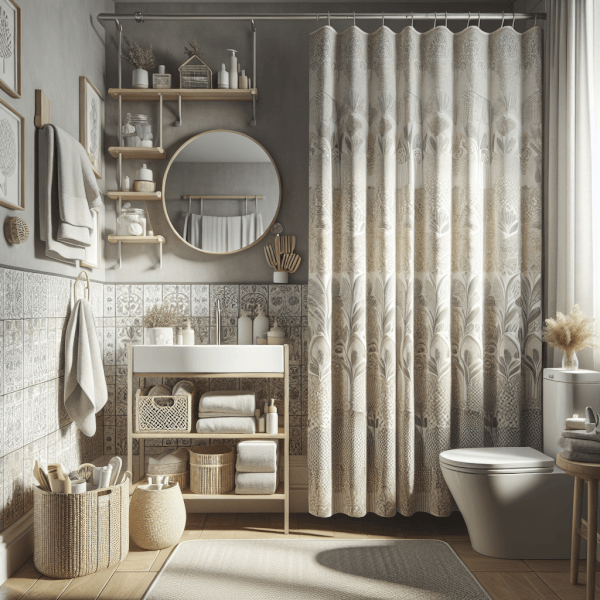
At first glance, a shower curtain might seem like mere decoration—a backdrop enhancing your bath space. However, its fabric is a frontline barrier against water splashes, steam, and humidity. Choosing the right material helps prevent mildew, simplifies cleaning, and withstands daily wear, including pulls from hooks or playful pets.
Beyond functionality, the curtain’s texture and weight influence your bathroom’s ambiance. A soft cotton curtain evokes calm and comfort, while crisp polyester offers a fresh, no-nonsense vibe. Additionally, the material choice affects your home’s sustainability, making some fabrics better suited for the eco-conscious.
Popular Shower Curtain Materials at a Glance
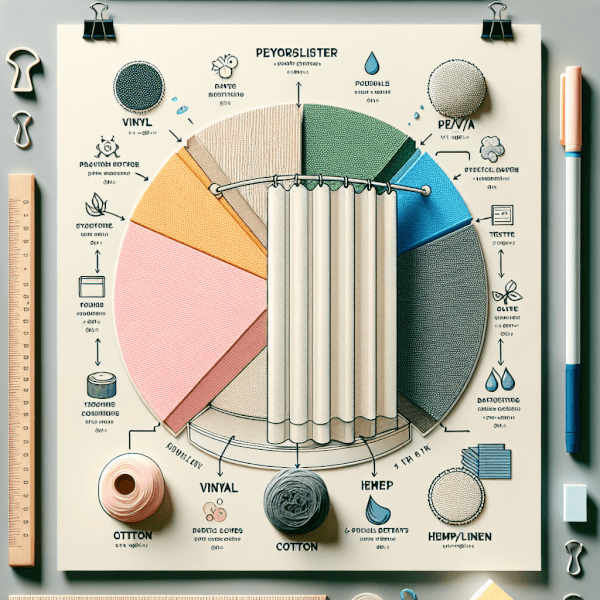
| Material | Texture & Style | Everyday Strengths | Practical Considerations | Ideal For |
|---|---|---|---|---|
| Polyester | Smooth, versatile, subtly textured | Durable, water-resistant, quick drying, machine washable | Synthetic but long-lasting; low maintenance | Busy households seeking reliable durability |
| Vinyl (PVC) | Slick, plastic-like with a shiny finish | Waterproof, budget-friendly, easy to clean | Contains chemicals; may have odors; less eco-friendly | Utility spaces or occasional use |
| PEVA/EVA | Soft, matte finish resembling vinyl | Chlorine-free, antimicrobial, waterproof | Synthetic feel; less luxurious texture | Health-conscious users preferring vinyl alternatives |
| Cotton | Soft, textured with matte finish | Breathable, adds warmth and comfort | Requires liner; moisture-absorbing; slower to dry | Those seeking textile feel, willing to maintain |
| Hemp/Linen | Natural, tactile grain with rougher texture | Durable, mold-resistant, eco-friendly | Needs special care; higher price point | Sustainability enthusiasts and natural texture fans |
Exploring Each Fabric in Detail

Polyester
Polyester is the understated hero among shower curtain fabrics, combining ease and resilience. It resists the daily humidity, avoids sagging, and is machine washable and quick to dry. Perfect for those balancing a busy lifestyle while wanting a bathroom that feels polished, polyester offers quiet dependability.
Vinyl (PVC)
For those prioritizing budget and absolute water resistance, vinyl excels. Its slick surface repels water effortlessly and cleans easily with a simple wipe. The downside is its plastic feel and potential chemical odor. Best suited for utilitarian spaces or guest bathrooms, vinyl champions practicality over texture or eco-consciousness.
PEVA/EVA
The gentler alternative to vinyl, PEVA and EVA avoid chlorine and harsh chemicals yet retain effortless care. They provide antimicrobial benefits and lack the typical plastic scent, appealing to those sensitive to synthetic odors or seeking greener options. Though less cozy than fabric curtains, they balance vinyl’s function with better health considerations.
Cotton
Cotton shower curtains bring softness and warmth, mimicking the gentle touch of linens. Breathable and cozy, they require a waterproof liner and attentive drying to prevent mold. Ideal for bathrooms doubling as relaxing retreats, cotton provides subtle luxury for those willing to invest a bit more care.
Hemp and Linen
For advocates of natural materials and eco-friendliness, hemp and linen curtains offer durability wrapped in understated elegance. Their mold resistance complements their sustainable qualities. Though pricier and demanding delicate upkeep, they suit bathrooms where every detail reflects mindful living.
Caring for Your Shower Curtain: Tips to Extend Life and Beauty
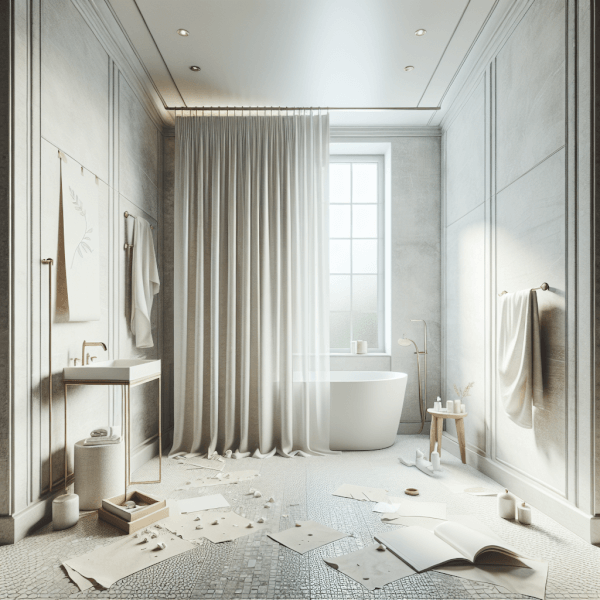
- Machine wash polyester and cotton curtains on a gentle cycle to combat stains and steam buildup.
- Using a liner with fabric curtains is essential to protect against moisture.
- Regularly ventilate your bathroom to reduce humidity and prevent mold growth.
- Vinyl and PEVA/EVA respond best to frequent wipe-downs to avoid residue buildup.
- Replace curtains promptly if mold or damage appears to maintain a healthy environment.
Finding the Right Fit for Your Routine
Selecting your ideal shower curtain material depends less on trends and more on how your bathroom functions and feels. Polyester strikes a pleasing balance of durability and practicality with a clean aesthetic. PEVA/EVA suit those aiming for fewer chemicals without sacrificing care convenience. Cotton and natural fibers delight texture lovers ready for some upkeep, while vinyl remains a straightforward, budget-friendly option for simplicity and utility.
Ultimately, your choice aligns your daily routines with subtle comforts and quiet style enhancements. After all, a well-chosen shower curtain doesn’t just contain water—it invites calm and clarity into your mornings and evenings.
Planning a bathroom update? Let your shower curtain fabric be one of those subtle shifts that makes every shower more enjoyable—because when the little details come together, everyday routines simply feel better.


Leave a Reply